
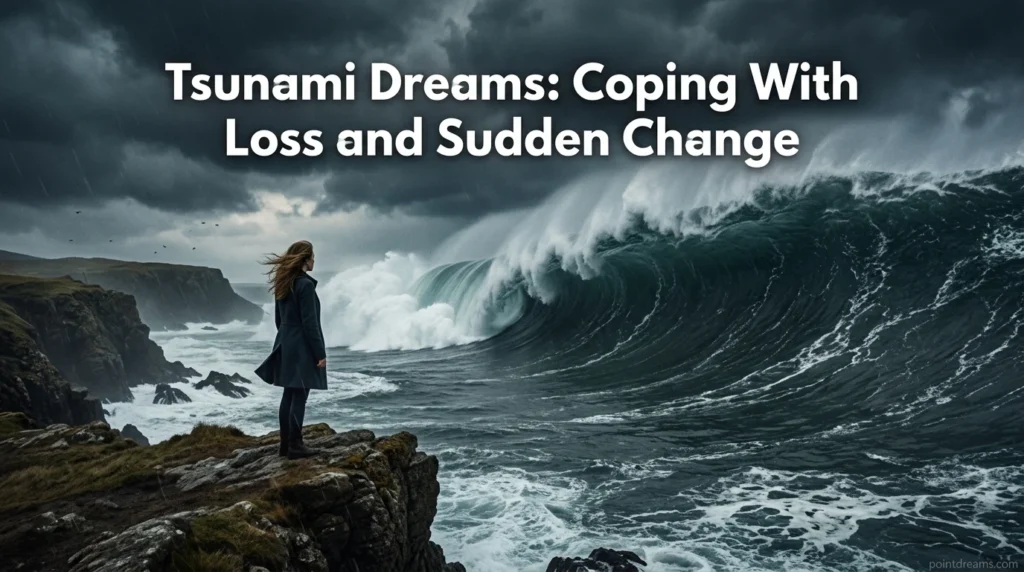
You’re standing on a quiet shoreline. The air is calm, the horizon still. Then, without warning, the ocean pulls back—eerily silent—before a massive wave rises in the distance. It grows, towering and unstoppable, rushing toward you with overwhelming force. You try to run, but your feet feel heavy, your breath tight. And just as the wave crashes down—consuming everything—you wake up.
Dreams like this linger. They leave behind a strange mix of fear, confusion, and emotional intensity that doesn’t easily fade with daylight. Tsunami dreams are among the most vivid and unsettling experiences people report, often tied to moments in life when everything feels uncertain or out of control. But what do they really mean?
At their core, tsunami dreams often reflect emotional upheaval—grief, sudden change, or inner turmoil that feels too big to manage. Understanding these dreams can offer a surprising path toward healing, helping us process loss, adapt to change, and regain a sense of balance in waking life.
The Symbolism Behind Tsunami Dreams
Tsunamis in dreams are rarely about literal disasters. Instead, they symbolize overwhelming emotions or events that feel impossible to contain. Water itself is often associated with feelings—deep, fluid, and sometimes unpredictable. When it transforms into a massive wave, it reflects emotional intensity that has reached a breaking point.
These dreams often emerge during times when something significant is shifting in your life. It could be the end of a relationship, a sudden loss, or even a major life transition like moving or changing careers. The tsunami becomes a metaphor for how these changes feel—powerful, sudden, and all-consuming.
What makes tsunami dreams particularly striking is the lack of control. Unlike smaller waves, a tsunami cannot be stopped or easily avoided. This mirrors situations where you may feel powerless, unable to influence the outcome or slow things down.
Understanding this symbolism is the first step in interpreting the dream. It shifts the focus from fear to awareness, helping you recognize what your subconscious might be trying to process or communicate.
Why Loss Often Triggers Tsunami Dreams
Loss, whether expected or sudden, can shake the emotional foundation of our lives. Tsunami dreams frequently appear during periods of grief because they mirror the overwhelming nature of loss.
When something or someone important disappears, it can feel like your entire world has been swept away. The mind struggles to process this void, and dreams become a space where these intense emotions surface.
Emotional Overflow
Grief is not always linear. Sometimes it builds quietly beneath the surface before erupting unexpectedly—just like a tsunami. These dreams can represent feelings that haven’t yet found a way to be expressed.
Sudden Absence
A tsunami often arrives without warning, just as loss can. The shock, disbelief, and confusion that follow are reflected in the chaos of the dream.
Identity Shifts
Loss can also change how you see yourself. Whether it’s losing a loved one, a job, or a sense of security, it can feel like a part of your identity has been erased. The dream captures this disruption vividly.
Rather than something to fear, these dreams can be seen as a natural part of the grieving process—a way for the mind to cope with what feels too big to handle consciously.
Sudden Change and Emotional Shock
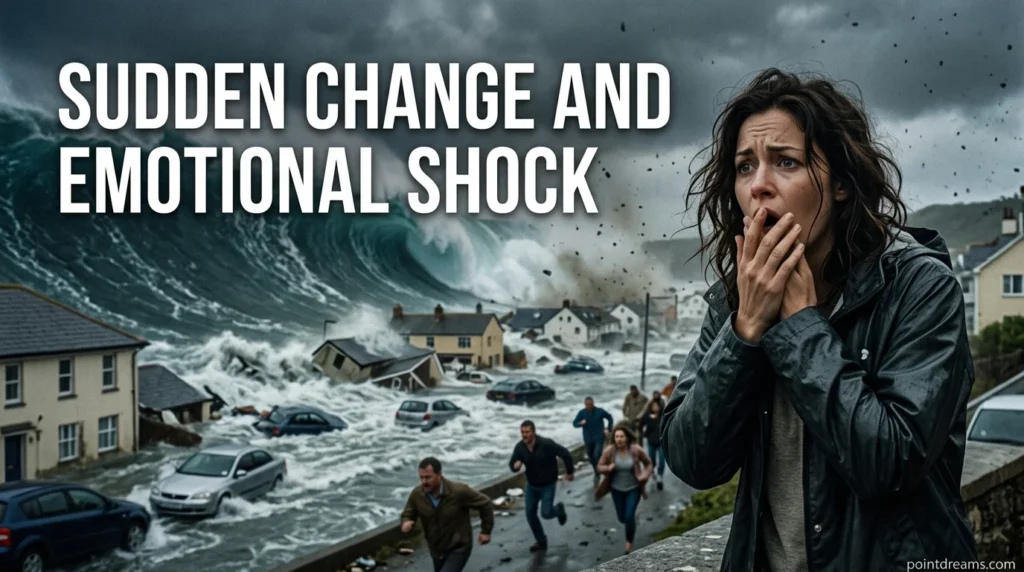
Not all tsunami dreams are rooted in loss. Many are connected to sudden changes—those moments when life shifts dramatically and without warning.
Imagine receiving unexpected news: a promotion, a breakup, a move to a new city. Even positive changes can feel overwhelming because they disrupt your sense of normalcy. The tsunami represents this surge of change crashing into your life.
In these dreams, the focus is often on the moment before impact—the realization that something huge is coming, and there’s little you can do to stop it. This reflects the anxiety that accompanies uncertainty.
Sudden change challenges your sense of control and stability. Tsunami dreams highlight this vulnerability, bringing attention to the emotional impact of transitions.
By recognizing this connection, you can begin to approach change with more awareness, preparing yourself emotionally rather than feeling blindsided by it.
The Feeling of Being Overwhelmed
One of the most common themes in tsunami dreams is overwhelm. Life can sometimes pile responsibilities, expectations, and emotions on top of each other until it feels like too much.
In these moments, your mind may use the image of a tsunami to express that pressure. It’s not just about one problem—it’s about everything coming at once.
Signs in the Dream
- Running but not escaping
- Watching the wave grow larger
- Feeling frozen or unable to act
These elements reflect how overwhelm manifests in waking life. You may feel stuck, unsure where to start, or unable to manage everything at once.
The dream becomes a signal—a reminder to pause, reassess, and find ways to reduce the emotional load. It’s not about eliminating stress entirely but about learning how to navigate it without being consumed.
Different Scenarios and Their Meanings
Watching a Tsunami from Afar
If you’re observing the wave from a distance, it may suggest awareness of a looming issue without immediate involvement. You know something significant is coming, but it hasn’t fully impacted you yet.
Being Caught in the Wave
This scenario often represents being fully immersed in emotional turmoil. It reflects a situation where you feel overwhelmed and unable to escape.
Surviving the Tsunami
Survival in the dream is a powerful symbol. It suggests resilience and the ability to endure difficult situations, even if they feel overwhelming in the moment.
Each variation offers a slightly different perspective, helping you understand not just the presence of emotional intensity but also your relationship to it.
The Role of Fear in Tsunami Dreams
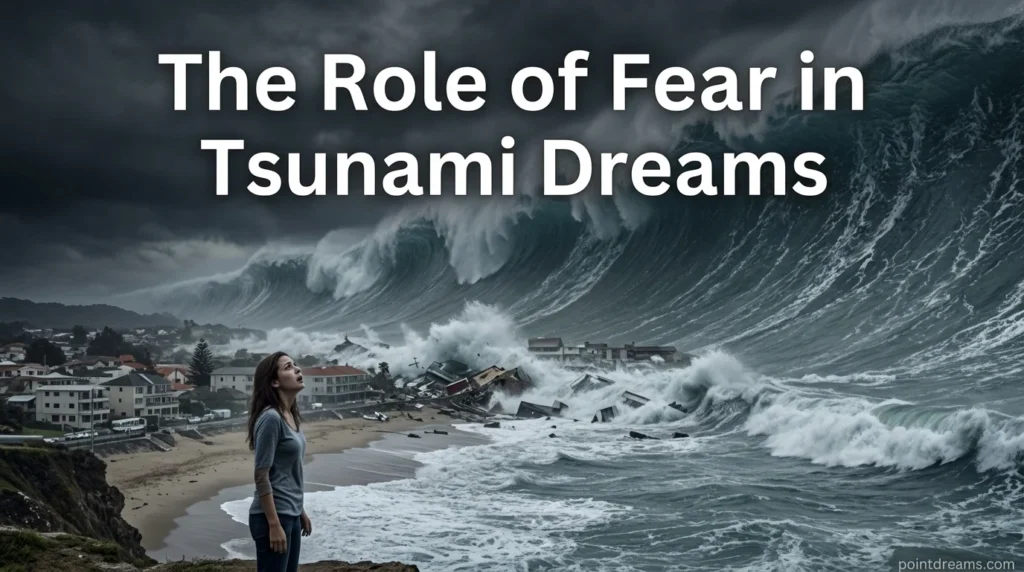
Fear is a natural response in these dreams, but it’s important to understand what that fear represents. It’s not just about danger—it’s about uncertainty, vulnerability, and loss of control.
In waking life, fear often arises when you’re facing something unknown or unpredictable. The tsunami amplifies this feeling, turning it into a vivid, unforgettable experience.
Interestingly, the intensity of fear in the dream can reflect how strongly you’re resisting or avoiding a situation. The more you try to suppress or ignore something, the more powerful it may appear in your dreams.
Instead of viewing fear as something negative, it can be helpful to see it as a guide. It points toward areas in your life that need attention, understanding, or acceptance.
Emotional Release and Healing
Tsunami dreams, while unsettling, can also serve a healing purpose. They allow emotions to surface in a safe, symbolic way, giving you an opportunity to process what you might be avoiding during the day.
Catharsis Through Dreams
The intensity of the dream can act as a release valve, helping to reduce emotional pressure. After such dreams, people often report feeling lighter or more aware of their feelings.
Facing What’s Hidden
Dreams can bring hidden fears or unresolved emotions to the surface. By confronting them in a dream, you begin the process of addressing them in real life.
Healing doesn’t happen all at once. It’s a gradual process, and dreams like these can be an important part of that journey.
Common Misinterpretations
Many people assume that tsunami dreams are warnings of disaster or bad luck. While they can feel ominous, they are rarely predictive in a literal sense.
Another common misunderstanding is that these dreams only occur during extreme situations. In reality, even everyday stress or minor changes can trigger similar imagery if they feel overwhelming enough.
It’s also easy to interpret these dreams as purely negative. However, they often carry messages of growth, resilience, and emotional processing.
By letting go of these misconceptions, you can approach tsunami dreams with curiosity rather than fear, opening the door to deeper understanding.
Real-Life Connections and Examples
Consider someone who has just gone through a breakup. Their life, once structured around a relationship, suddenly feels uncertain. A tsunami dream might reflect the emotional impact of that loss.
Or think about a person starting a new job in a different city. The excitement is mixed with anxiety, and the unfamiliar environment feels overwhelming. The dream captures this emotional complexity.
Even smaller situations—like juggling multiple responsibilities—can trigger similar dreams. The key is not the size of the event but how it feels internally.
These real-life connections make tsunami dreams relatable, showing that they are not unusual but rather a common response to intense experiences.
Practical Ways to Cope
Acknowledge Your Emotions
Instead of ignoring what you feel, take time to recognize and name your emotions. This simple step can reduce their intensity.
Break Things Down
When life feels overwhelming, focus on one thing at a time. Small steps can make a big difference.
Create Stability
Establish routines or habits that provide a sense of control and consistency.
Talk It Out
Sharing your thoughts with someone you trust can help you process emotions more effectively.
Coping doesn’t mean eliminating stress—it means finding ways to manage it without being overwhelmed.
The Connection Between Control and Letting Go

A central theme in tsunami dreams is the tension between control and surrender. The wave cannot be stopped, no matter how hard you try. This reflects situations where control is limited or nonexistent.
Learning to let go doesn’t mean giving up. It means accepting what you cannot change while focusing on what you can influence.
This shift in perspective can be incredibly freeing. It reduces the pressure to control everything and allows you to adapt more easily to change.
Tsunami dreams often highlight this lesson, encouraging you to find balance between effort and acceptance.
Building Emotional Resilience
Resilience is the ability to navigate difficult situations and recover from them. Tsunami dreams, in a way, test this resilience by placing you in extreme scenarios.
Over time, as you process your emotions and adapt to challenges, these dreams may change. The wave might feel less threatening, or you might find yourself surviving more often.
Building resilience involves:
- Developing coping strategies
- Strengthening support systems
- Maintaining perspective during challenges
These skills not only help with dreams but also improve your overall well-being.
When to Pay Closer Attention
While occasional tsunami dreams are normal, frequent or intensely distressing ones may indicate deeper emotional struggles.
If these dreams are recurring, it may be worth reflecting on what’s happening in your life. Are you dealing with unresolved grief? Ongoing stress? Major changes?
In some cases, talking to a professional can provide additional support and insight. Dreams can be powerful indicators of your emotional state, and paying attention to them can lead to meaningful growth.
Turning Insight Into Growth
The true value of tsunami dreams lies in what they reveal. They offer a window into your emotional world, highlighting areas that need attention, care, or change.
Instead of fearing these dreams, you can use them as tools for self-reflection. Ask yourself:
- What feels overwhelming in my life right now?
- Am I avoiding something important?
- What can I do to regain balance?
By turning insight into action, you transform the dream from a source of anxiety into a catalyst for growth.
Conclusion
Tsunami dreams may feel intense and unsettling, but they carry meaningful messages about your emotional landscape. They often arise during times of loss, sudden change, or overwhelming stress, reflecting the powerful feelings that accompany these experiences. Rather than viewing them as something to fear, they can be understood as a natural way for the mind to process what feels too large to handle consciously.
By exploring their symbolism, recognizing their connection to real-life events, and applying practical coping strategies, you can gain valuable insight into your inner world. Ultimately, these dreams remind you of your resilience—the ability to endure, adapt, and rebuild even after life’s most overwhelming moments.
FAQs
1. Are tsunami dreams a bad omen?
No, they are usually symbolic and reflect emotional overwhelm or major life changes rather than predicting real events.
2. Why do I keep having tsunami dreams?
Recurring dreams often indicate unresolved emotions, stress, or ongoing changes that your mind is trying to process.
3. Can positive changes cause tsunami dreams?
Yes, even positive changes can feel overwhelming and trigger similar dream imagery.
4. What does it mean if I survive the tsunami in my dream?
It often symbolizes resilience and your ability to cope with difficult situations.
5. How can I stop having these dreams?
Addressing underlying stress, practicing relaxation techniques, and processing emotions can help reduce their frequency.
