

You wake up suddenly, heart racing, the feeling still clinging to you like a shadow. In the dream, you saw them again—but something was different. Maybe they were slipping away, unreachable. Maybe you were searching for them, calling out with no response. Or perhaps the dream replayed a painful moment you wish you could change. As you sit in the quiet of the night, one question lingers: Why does grief follow me into my dreams?
Bad dreams after loss are more common than most people realize, yet they are rarely talked about openly. They can feel unsettling, even distressing, especially when you’re already navigating the weight of grief in waking life. But these dreams are not random or meaningless. They are deeply connected to how your mind processes loss, memory, and emotion.
Understanding these dreams matters because they reveal what your conscious mind may not fully express. They can highlight unresolved feelings, emotional overload, or the slow, ongoing process of healing. In this article, we’ll explore how grief shapes your subconscious—and why your dreams, even the painful ones, may be trying to help you cope, understand, and eventually find peace.
Why Grief Doesn’t End When You Sleep
Grief doesn’t follow a schedule. It doesn’t pause when you close your eyes or disappear when the day ends. Instead, it continues—quietly, persistently—within your subconscious.
During the day, you might manage your emotions by staying busy or focusing on responsibilities. But at night, when distractions fade, your mind has more space to process what you’re feeling.
Dreams become a natural outlet for this process.
Imagine someone who spends the day appearing strong for others. They hold back tears, avoid difficult thoughts, and keep moving forward. When they sleep, those suppressed emotions often resurface in dreams—sometimes in intense or symbolic ways.
This is why bad dreams after loss can feel so overwhelming. They’re not separate from your grief—they are a continuation of it.
Rather than seeing these dreams as interruptions, it can be helpful to view them as part of your emotional processing. They are your mind’s way of working through something that doesn’t have a simple or immediate resolution.
The Subconscious as an Emotional Processor
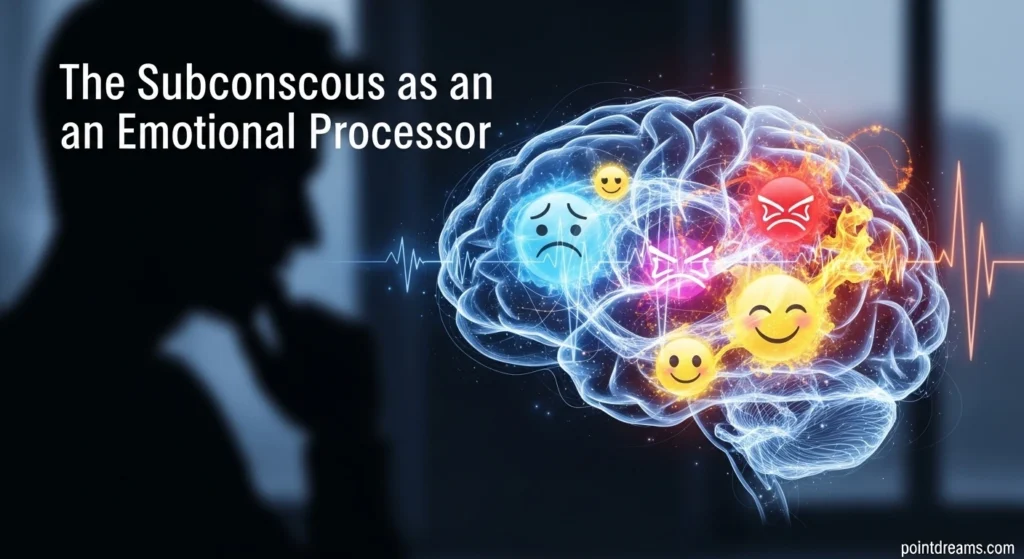
Your subconscious mind plays a crucial role in how you process grief. It doesn’t think in words or logic—it thinks in images, emotions, and symbols.
Dreams are its language.
When you lose someone, your conscious mind may struggle to fully grasp the reality of that loss. The subconscious steps in to process what feels too complex or overwhelming.
How the Subconscious Works
- It revisits memories
- It explores “what if” scenarios
- It expresses emotions indirectly
A Relatable Example
Imagine dreaming of searching for someone you lost but never finding them. This doesn’t mean they are literally lost—it reflects your emotional experience of absence and longing.
The subconscious doesn’t aim to confuse you. It tries to process emotions in a way that bypasses logic.
Ignoring these dreams can mean missing insights into what you’re feeling beneath the surface. Understanding them, however, can bring clarity and emotional awareness.
Why Bad Dreams Are Common After Loss
Not all dreams after loss are comforting. Many are intense, unsettling, or even distressing.
Why This Happens
Grief involves complex emotions—sadness, anger, guilt, confusion. These emotions don’t always appear gently. They can surface in dreams as conflict, fear, or chaos.
Common Themes in Bad Dreams
- Losing the person again
- Being unable to reach them
- Reliving painful moments
- Feeling abandoned or helpless
Emotional Intensity
Dreams amplify emotions. What feels manageable during the day can become overwhelming at night.
Example
Someone who feels guilty about something left unsaid may dream of trying to speak, only to find their voice doesn’t work.
These dreams are not meant to harm—they reflect emotional truths that need attention.
The Role of Unresolved Emotions
Grief often includes unresolved emotions—things left unsaid, questions without answers, or feelings that were never fully expressed.
Types of Unresolved Emotions
- Guilt
- Regret
- Anger
- Confusion
How They Appear in Dreams
- Arguments or tension
- Missed opportunities
- Repeated scenarios
A Story
Imagine someone who regrets not saying goodbye. They may dream of constantly trying to reach the person but failing each time.
Why It Matters
These dreams highlight what still needs emotional processing.
Ignoring them can keep those feelings buried. Facing them gently can lead to healing.
Dreams of Losing Them Again

One of the most painful dream experiences is losing the same person repeatedly.
What It Represents
- Difficulty accepting the loss
- Ongoing emotional attachment
- Fear of letting go
Emotional Impact
These dreams can feel like reliving the loss all over again.
Example
Someone who has accepted the loss intellectually may still feel emotionally connected. The dream reflects that ongoing bond.
Insight
This doesn’t mean you’re “stuck.” It means your mind is still processing.
Nightmares as Emotional Release
Nightmares can serve as a form of emotional release.
How It Works
When emotions build up, dreams provide a way to express them.
Signs of Release
- Intense emotional dreams
- Feeling drained after waking
- Gradual reduction in intensity over time
Example
Crying in a dream can reflect emotions that weren’t expressed during the day.
Perspective
While uncomfortable, these dreams can be part of healing.
The Difference Between Healing Dreams and Distressing Dreams
Not all dreams after loss are negative.
Healing Dreams
- Calm, peaceful
- Feeling connected
- Sense of closure
Distressing Dreams
- Chaotic or intense
- Feelings of fear or confusion
Transition Over Time
Many people experience a shift from distressing to healing dreams as they process grief.
The Influence of Daily Stress on Grief Dreams
Daily stress can amplify grief-related dreams.
How Stress Interacts with Grief
Stress adds emotional pressure, making dreams more intense.
Example
A stressful day may trigger a vivid dream about loss, even if the stress is unrelated.
Insight
Managing stress can reduce the intensity of these dreams.
Recurring Nightmares and What They Mean

Recurring nightmares often signal unresolved issues.
Why They Repeat
The subconscious repeats what hasn’t been processed.
Patterns to Notice
- Same scenario
- Same emotions
- Same unresolved outcome
Lesson
Recurring dreams are persistent because the message remains relevant.
Cultural and Personal Interpretations
Different cultures and individuals interpret grief dreams differently.
Cultural Views
Some see them as spiritual, others as psychological.
Personal Meaning
Your interpretation depends on your beliefs and experiences.
Key Point
There is no single correct meaning.
Practical Ways to Cope with Bad Dreams
Helpful Strategies
- Keep a dream journal
- Practice relaxation before sleep
- Talk about your feelings
- Create a calming bedtime routine
Reflection Questions
- What emotions stood out?
- What might this dream reflect?
These steps can help reduce intensity and increase understanding.
When to Seek Support
Sometimes, dreams become too distressing.
Signs to Seek Help
- Frequent nightmares
- Sleep disruption
- Ongoing emotional distress
Support Options
- Talking to a trusted person
- Professional guidance
Seeking help is not weakness—it’s a step toward healing.
Finding Meaning in the Pain
Even painful dreams can hold meaning.
What They Reveal
- Emotional needs
- Unprocessed feelings
- Areas of growth
Perspective
Instead of fearing them, try to understand what they’re showing you.
Moving Toward Healing
Healing doesn’t mean forgetting. It means finding a way to live with the memory.
Signs of Progress
- Reduced intensity of dreams
- More peaceful experiences
- Greater emotional clarity
Final Insight
Your dreams evolve as you heal.
Conclusion
Bad dreams after loss can feel overwhelming, but they are deeply connected to how your mind processes grief. They reflect emotions that are complex, unresolved, and often difficult to express during the day. Rather than seeing them as something to fear, it can be helpful to understand them as part of your healing journey.
These dreams reveal what your subconscious is working through—whether it’s sadness, longing, guilt, or acceptance. By paying attention to their patterns and emotions, you can gain insight into your inner world and support your emotional recovery.
Healing takes time, and your dreams are part of that process. Even when they are painful, they are guiding you toward understanding, release, and eventually, peace.
FAQs
1. Why do I have nightmares after losing someone?
They are your mind’s way of processing intense emotions and unresolved feelings.
2. Will these dreams go away over time?
For many people, they become less intense as healing progresses.
3. Are these dreams a sign I’m not coping well?
Not necessarily—they are a natural part of grief.
4. Can I control these dreams?
You may not control them directly, but reducing stress can help.
5. Should I talk about my dreams with someone?
Yes, sharing them can provide comfort and understanding.
