

You’re underwater. Not peacefully floating, but sinking—slowly at first, then all at once. Your chest tightens. You try to move your arms, but the water feels heavy, resisting every effort. Above you, a faint light flickers, distant and unreachable. You wake up suddenly, gasping for air, heart racing, still carrying the emotional weight of the dream.
Dreams about drowning are among the most intense and emotionally charged experiences people report. Even after waking, the feeling can linger—panic, helplessness, confusion. But what does it actually mean when you dream of drowning?
In most cases, drowning in a dream is not about water at all. It is about emotion—specifically, feeling overwhelmed by life, stress, or internal pressure. These dreams often appear when your subconscious mind is trying to express something your waking self has not fully processed.
This article explores five psychological reasons behind drowning dreams and what they reveal about emotional overload, hidden stress, and inner conflict—helping you turn a frightening dream into a powerful moment of self-understanding.
Emotional Overload: When Feelings Become Too Heavy to Carry
One of the most common reasons for drowning dreams is emotional overload. This happens when feelings build up faster than they are processed.
What Emotional Overload Feels Like in Real Life
- Constant stress or pressure
- Feeling “stuck” emotionally
- Difficulty expressing emotions
- A sense of being mentally exhausted
When these emotions are not released, they don’t disappear—they accumulate.
How the Dream Reflects This
Water in dreams often represents emotions. When you are drowning, it symbolizes being submerged by feelings that have become too strong to manage.
A Relatable Scenario
Imagine someone juggling work pressure, family expectations, and personal struggles. They may appear fine during the day, but internally feel like they are falling apart. At night, their mind visualizes this as drowning—being pulled under by forces they can’t control.
Key Insight
The dream is not predicting danger—it is reflecting emotional saturation. Your mind is saying, “This is too much to hold alone.”
Ignoring this signal often leads to increased stress in waking life. Recognizing it is the first step toward emotional relief.
Loss of Control: Feeling Pulled by Life Instead of Steering It

Drowning dreams often emerge when you feel like life is happening to you instead of with you.
Signs of Loss of Control
- Overwhelming responsibilities
- Sudden life changes
- Feeling directionless
- Inability to make decisions
How It Appears in Dreams
In drowning dreams, you often struggle against the water but cannot gain stability. This mirrors real-life situations where your efforts feel ineffective.
Mini Story
A person facing unexpected financial pressure may dream of sinking deeper into water no matter how hard they try to swim. The more they struggle, the more exhausted they feel—just like in waking life.
Psychological Meaning
This dream is not about failure—it is about perceived lack of control.
Reflection
Ask yourself: Where do I feel like I am reacting instead of choosing?
Understanding this can help you regain a sense of agency in your daily life.
Suppressed Emotions: When You Avoid What Needs to Be Felt
Sometimes drowning dreams appear because emotions are being avoided or suppressed.
What Suppression Looks Like
- Ignoring sadness or anger
- Avoiding difficult conversations
- Staying “busy” to avoid feeling
How It Builds Up
Unexpressed emotions do not disappear. Instead, they move into the subconscious, where they often appear in symbolic forms.
In the Dream
Water rises slowly or suddenly overwhelms you—symbolizing emotions you’ve pushed down now becoming unavoidable.
Example Scenario
Someone going through heartbreak may avoid processing their grief. At night, they dream of drowning, representing emotions finally surfacing.
Key Lesson
The dream is not punishment—it is emotional expression. It is your mind asking you to feel what you’ve been avoiding.
Anxiety and Mental Pressure: The Overactive Mind
Drowning dreams are also closely linked to anxiety and mental overload.
How Anxiety Feels Internally
- Racing thoughts
- Overthinking
- Difficulty relaxing
- Constant worry about the future
Dream Representation
Water becomes chaotic, deep, or uncontrollable—mirroring mental overwhelm.
A Real-Life Example
A student preparing for exams may dream of being pulled underwater while trying to reach the surface. The dream reflects academic pressure and fear of failure.
Psychological Insight
The mind uses drowning as a metaphor for being mentally “overfilled.”
Important Understanding
This dream doesn’t mean something bad will happen—it means your mind needs rest.
Reducing mental clutter can significantly reduce these types of dreams.
Fear of Being Overwhelmed by Change
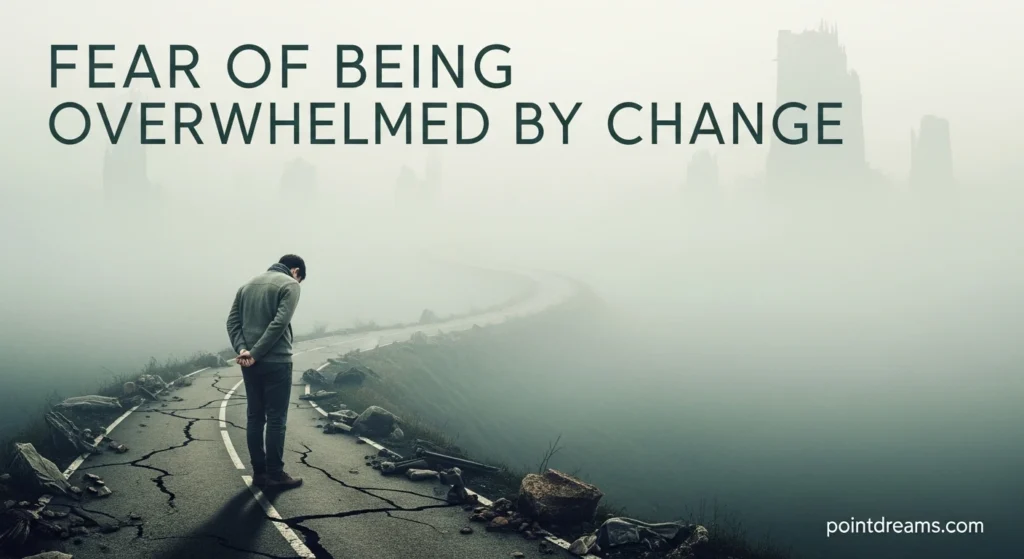
Drowning dreams often appear during transitions in life.
Types of Life Changes That Trigger These Dreams
- Starting a new job
- Ending a relationship
- Moving to a new place
- Personal identity shifts
Why Change Feels Like Water
Water is fluid, unpredictable, and constantly moving—just like major life changes.
Example Scenario
Someone starting a new career may feel excited but also anxious. Their subconscious may translate this uncertainty into a drowning dream.
Emotional Meaning
The dream reflects fear of being “carried away” by change.
Insight
It is not the change itself that overwhelms you—it is the adjustment period.
Being Pulled Under: External Pressure and Expectations
Sometimes drowning dreams reflect pressure from external sources.
Sources of Pressure
- Family expectations
- Work demands
- Social comparison
- Financial stress
Dream Symbolism
You are not just in water—you are being pulled under by it.
Story Example
A person trying to meet everyone’s expectations may feel like they are constantly sinking under pressure. Their dream reflects this struggle.
Key Insight
The dream highlights imbalance between your needs and external demands.
Trying to Swim But Getting Nowhere
One of the most frustrating drowning dream scenarios is trying to swim but not moving forward.
What It Represents
- Effort without progress
- Burnout
- Emotional exhaustion
Psychological Meaning
This reflects situations where you are working hard but not seeing results.
Example
Someone trying to improve their life but feeling stuck may dream of swimming endlessly without reaching the surface.
Reflection
Ask yourself: Where am I putting effort without direction?
Calm Drowning vs Panic Drowning

Not all drowning dreams feel the same.
Panic Drowning
- Fear
- Struggle
- Chaos Often linked to acute stress.
Calm Drowning
- Acceptance
- Emotional numbness
- Detachment
Meaning of Calm Drowning
This may reflect emotional exhaustion or resignation.
Insight
Both versions signal overwhelm—but in different emotional states.
Water Depth: What Lies Beneath Matters
The depth of the water in your dream adds meaning.
Shallow Water
Mild stress or manageable emotions.
Deep Water
Intense emotional experiences or hidden fears.
Example
Sinking into deep water may symbolize unresolved emotional issues.
Reflection
The deeper the water, the deeper the emotion being processed.
Surviving the Drowning: Signs of Resilience
Sometimes, you wake up before drowning completely—or survive in the dream.
What Survival Means
- Emotional resilience
- Inner strength
- Ability to recover
Example
A person going through hardship may dream of reaching the surface again. This reflects hope and endurance.
Key Insight
Even in overwhelm, your subconscious recognizes your ability to survive.
Recurring Drowning Dreams
When drowning dreams repeat, the message becomes more urgent.
Why They Repeat
- Unresolved stress
- Ongoing emotional pressure
- Ignored mental health needs
Pattern Recognition
- Same environment
- Same emotional feeling
- Same helplessness
Insight
Repetition means the mind is trying to get your attention.
How to Respond to Drowning Dreams
Practical Steps
- Identify stress sources
- Express emotions safely
- Reduce mental overload
- Practice relaxation
Reflection Questions
- What feels overwhelming right now?
- What am I avoiding?
Key Idea
Understanding reduces fear.
What Drowning Dreams Are Not
Misconception 1: “They predict danger”
They reflect emotion, not events.
Misconception 2: “They mean weakness”
They reflect human emotional capacity.
Misconception 3: “They should be ignored”
They often carry important psychological insight.
Conclusion
Dreams of drowning are powerful reflections of emotional overload, stress, and internal pressure. They do not appear randomly—they arise when your subconscious is trying to communicate that something in your inner world feels too heavy to carry alone. Whether it’s anxiety, suppressed emotions, life transitions, or external expectations, the feeling of sinking represents being overwhelmed by forces that need attention.
But these dreams are not just warnings—they are invitations. They invite you to slow down, reflect, and reconnect with your emotional needs. Even when they feel frightening, they often point toward awareness and healing.
By understanding what lies beneath the surface, you can transform these dreams from experiences of fear into moments of insight—helping you regain balance both in sleep and in waking life.
FAQs
1. Why do I dream of drowning when I’m stressed?
Because water in dreams represents emotions, and drowning reflects emotional overload.
2. Are drowning dreams dangerous or predictive?
No, they are symbolic and reflect your emotional state.
3. Why do I keep having drowning dreams?
Recurring dreams usually indicate unresolved stress or ongoing pressure.
4. What does it mean if I survive drowning in a dream?
It often represents resilience and emotional recovery.
5. Can drowning dreams be reduced?
Yes, by managing stress, expressing emotions, and improving relaxation before sleep.
