

You wake up, relieved that the strange dream is over. You check your surroundings, take a breath… and then something feels off. The room looks familiar, but not quite right. Suddenly, it hits you—you’re still dreaming. Panic, curiosity, or even excitement rushes in as you realize you’ve just “woken up” inside another dream. And then, just as you try to make sense of it, you wake up again—this time for real.
Experiences like these can feel unsettling, even surreal. Dreaming inside a dream—often called a “false awakening”—blurs the boundary between reality and imagination. It leaves you wondering: Why does my mind do this? Is it trying to tell me something?
These layered dreams are not random glitches in your sleep. They often carry deeper psychological meaning, reflecting awareness, confusion, emotional processing, or inner conflict. Understanding them can offer insight into how your mind works under pressure, uncertainty, or transformation.
In this article, we’ll explore five key psychological clues behind dreaming within a dream—and what they reveal about your inner world.
What It Means to Dream Inside a Dream
Dreaming inside a dream is a layered experience where your mind creates multiple levels of reality. You “wake up” within the dream, believing it’s real—only to discover later that it wasn’t.
This phenomenon often reflects a heightened level of mental activity. Your brain is not just creating a dream—it’s simulating awareness within that dream.
Why It Feels So Real
The mind uses familiar settings—your room, your daily routine—to convince you that you’re awake. This makes the experience more immersive and convincing.
A Mini Story
Imagine dreaming of waking up late for work. You rush through your routine, feeling stressed, only to wake up again and realize none of it actually happened. The double-layer creates a strong emotional impact.
Deeper Meaning
This type of dream often points to confusion, uncertainty, or questioning reality in your waking life.
It’s not just about the dream—it’s about your relationship with awareness and control.
Psychological Clue #1: Lack of Control in Real Life
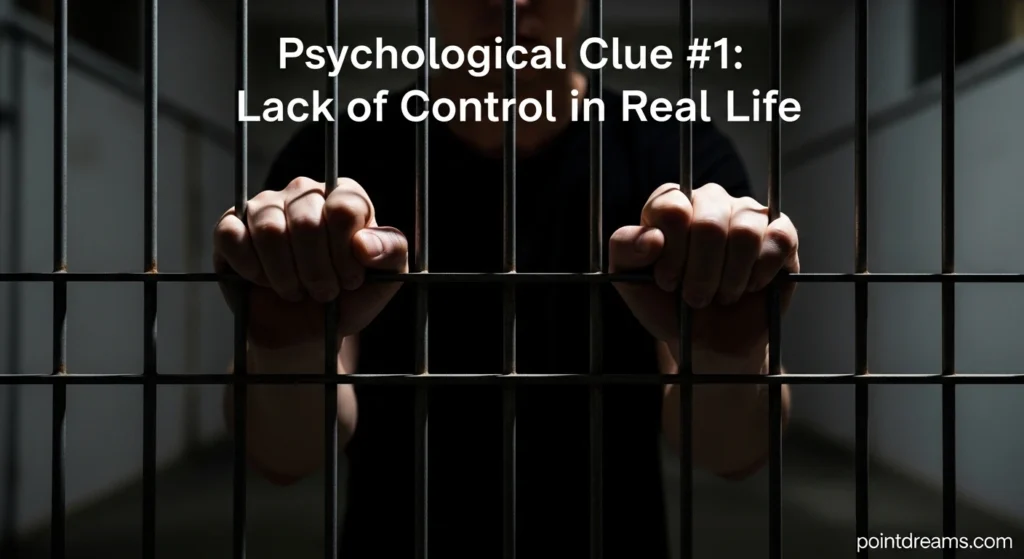
One of the strongest reasons behind nested dreams is a feeling of losing control.
When life feels unpredictable or overwhelming, the mind may create layered dreams to reflect that instability.
How It Shows Up
- Repeated false awakenings
- Inability to fully “wake up”
- Feeling trapped in the dream
Real-Life Connection
Imagine someone dealing with constant stress—deadlines, expectations, uncertainty. Their dream may mirror this by placing them in a loop where they can’t escape.
Emotional Insight
The dream becomes a metaphor for feeling stuck or unable to gain clarity.
Lesson
Rather than ignoring it, ask yourself: Where in my life do I feel out of control?
Recognizing this can help you regain a sense of balance in waking life.
Psychological Clue #2: Heightened Self-Awareness
Interestingly, dreaming inside a dream can also indicate increased self-awareness.
Your mind is not just dreaming—it’s observing itself dreaming.
Signs of Awareness
- Questioning whether you’re dreaming
- Noticing inconsistencies
- Becoming partially lucid
Example
Someone might realize something is “off” in the dream but not fully wake up. This creates a layered experience.
What It Means
This can reflect a growing awareness in your waking life—questioning beliefs, habits, or decisions.
A Positive Perspective
Rather than seeing it as confusing, it can be a sign of mental growth.
You are becoming more aware of your thoughts and perceptions, even during sleep.
Psychological Clue #3: Fear of Being Misled
Dreams within dreams often carry a subtle theme of deception or uncertainty.
Emotional Theme
- Doubting reality
- Fear of being tricked
- Uncertainty about what’s true
Example Scenario
Imagine thinking you’ve solved a problem in a dream, only to wake up and realize it wasn’t real. This can reflect fear of false hope in real life.
Deeper Meaning
These dreams may arise when you feel unsure about a situation—questioning whether something is genuine or misleading.
Reflection
Ask yourself: Is there something in my life that doesn’t feel entirely real or trustworthy?
Understanding this can help you navigate uncertainty with more clarity.
Psychological Clue #4: Overactive Mind and Stress
A busy, overstimulated mind can lead to complex dream structures.
Why This Happens
When your brain processes too much information, it may create multiple layers of dreams.
Signs
- Vivid, detailed dreams
- Frequent awakenings
- Mental fatigue
Example
Someone juggling multiple responsibilities may dream of waking up, completing tasks, then waking up again.
Interpretation
The layered structure reflects mental overload—your brain trying to process everything at once.
Lesson
Slowing down in waking life can reduce this intensity.
Psychological Clue #5: Desire to Escape Reality

Sometimes, dreaming inside a dream reflects a desire to escape.
What It Represents
- Avoidance of stress
- Desire for control
- Need for emotional distance
Example
Someone unhappy with their routine may dream of waking up into another dream—a different reality.
Emotional Insight
The dream becomes a temporary escape, even within itself.
Reflection
Instead of escaping, the dream invites you to examine what you’re avoiding.
False Awakenings: The Illusion of Waking Up
False awakenings are a key part of nested dreams.
What They Feel Like
You believe you’ve woken up, but subtle details reveal otherwise.
Common Signs
- Slightly altered surroundings
- Unusual events
- A lingering sense of “something isn’t right”
Meaning
They reflect the mind’s ability to blur reality and imagination.
Insight
These experiences highlight how easily perception can be influenced.
Emotional Layers Within Layers
Nested dreams often carry multiple emotional layers.
Outer Dream vs Inner Dream
Each layer may reflect a different emotion:
- Fear in one layer
- Relief in another
- Confusion overall
Example
A stressful dream followed by a “relief” awakening—only to discover it’s still a dream.
Meaning
Your mind is processing complex emotions in stages.
The Role of Lucid Dreaming
Dreaming within a dream sometimes overlaps with lucid dreaming.
What Is Lucidity?
Becoming aware that you’re dreaming.
Connection
Nested dreams may occur when lucidity is incomplete—you’re aware, but not fully in control.
Example
Realizing you’re dreaming but still unable to wake up.
Cultural and Personal Interpretations

Different people interpret these dreams differently.
Personal Influence
Your experiences shape how you understand them.
Cultural Views
Some see them as spiritual experiences, others as psychological.
Key Point
Meaning is personal, not fixed.
Recurring Nested Dreams
If these dreams repeat, they signal something important.
Why They Repeat
- Unresolved stress
- Ongoing confusion
- Deep emotional patterns
Insight
Recurring patterns deserve attention.
Practical Ways to Understand Them
Simple Steps
- Keep a dream journal
- Reflect on emotions
- Notice patterns
Questions
- What was I feeling?
- What is happening in my life?
Lessons from Dreaming Inside a Dream
What You Can Learn
- Awareness of your thoughts
- Recognition of stress
- Insight into your emotions
Application
Use these insights to improve clarity and balance.
Common Misunderstandings
Misconception 1: “It’s dangerous”
It’s not harmful.
Misconception 2: “It predicts something”
It reflects your mind, not the future.
Misconception 3: “It’s meaningless”
It often carries deep psychological meaning.
Conclusion
Dreaming inside a dream is a fascinating glimpse into the complexity of the human mind. Whether it reflects a lack of control, heightened awareness, fear of deception, mental overload, or a desire to escape, each layered experience carries a message worth exploring.
Rather than dismissing these dreams as strange or unsettling, consider them opportunities to understand yourself more deeply. They reveal how your mind processes reality, emotion, and perception—even when you’re asleep.
By paying attention to patterns, emotions, and context, you can turn confusion into clarity. Because sometimes, the most surreal dreams are the ones that bring you closest to understanding your inner world.
FAQs
1. Is dreaming inside a dream normal?
Yes, it’s a common experience known as a false awakening.
2. Why does it feel so real?
Your brain uses familiar details to create a convincing sense of reality.
3. Does it mean I’m stressed?
Often, yes. It can reflect mental overload or emotional pressure.
4. Can I control these dreams?
With practice, some people develop lucid dreaming skills.
5. Should I be concerned about frequent nested dreams?
Not usually, but recurring patterns may be worth exploring for deeper insight.
